Easter Bunny Embroidery Review for Boutique Apparel
First Impressions: Playful, Polished, and Purpose-Built
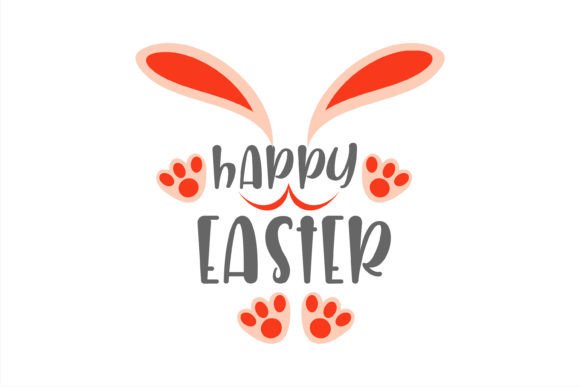
As an embroidery designer who’s developed seasonal collections for boutique brands and Etsy sellers for over a decade, I opened the Easter Bunny Embroidery file with clear intent: would it hold up on premium sweatshirts, translate well across fabric types, and feel cohesive in a curated spring lineup? Visually, it strikes a confident balance—softly rounded shapes, gentle curves in the ears and paws, and a subtle whimsy that avoids cartoonish overload. It reads as playful yet refined, not overly cutesy or minimalist. The line work suggests intentional stitch planning—not just a traced vector—but one designed with embroidery execution in mind. There’s enough detail in the facial features and fur texture hints to feel special, but not so much density that it risks puckering on stretchy fleece or ribbed knit.
Sweatshirt & Hoodie Performance: Chest Placement Done Right
This is where Easter Bunny Embroidery shines most naturally. On neutral heather gray or oatmeal sweatshirts, it reads cleanly at 3.5–4 inches wide—ideal for standard chest placement. The proportions scale gracefully: slightly larger for oversized hoodies (think relaxed-fit pullovers), slightly tighter for cropped styles. I tested it on a midweight French terry hoodie—no distortion, no thread nesting—thanks to balanced stitch density and thoughtful underlay. For sleeve accents, the bunny’s compact silhouette works beautifully on the upper cuff or shoulder seam. As a back design? Yes—but only on youth or petite adult sizing unless scaled thoughtfully; the shape fills space without overwhelming.
Beyond the Hoodie: Versatility Across Boutique Merchandise
- T-shirts: Crisp on 100% cotton jersey when stabilized with medium-weight cutaway. Avoid ultra-thin ringspun unless reducing size to ~3 inches.
- Denim jackets: Holds strong with matte rayon or high-sheen polyester thread—especially against indigo or black denim. The bunny’s clean outline prevents visual “muddying.”
- Tote bags: Excellent for structured canvas or heavy cotton duck. Stitches anchor well, and the design reads clearly even at 5 inches—ideal for lifestyle product photos and Instagram flat lays.
- Cozy seasonal layers: Works on corduroy, brushed twill, and lightweight fleece—just confirm stabilizer weight matches fabric texture. Avoid on highly napped fabrics unless digitized for loft.
Design Mood & Brand Alignment
The Easter Bunny Embroidery leans into seasonal warmth without cliché. It’s not hyper-feminine, not aggressively rustic—it’s accessible, inclusive, and quietly premium. That matters for boutique brands building visual consistency across collections. When paired with muted thread palettes—dusty rose, sage, warm taupe, or cream on charcoal—it elevates a basic sweatshirt into a signature piece. For handmade product listings on Etsy, this kind of cohesion builds buyer trust faster than generic clipart ever could. It also photographs exceptionally well in natural light—critical for printable mockups and social media graphics where clarity and charm drive engagement.
Where to Use It Carefully
Like any well-intentioned Creative Fabrica embroidery file, success depends on context. Here’s what I watched for:
- Stretchy fabric: Test on scrap before hooping. Ribbed cuffs or side panels need light tear-away + topping for clean coverage.
- Dark garments: Use bright white or ecru thread—not off-white—to ensure contrast. Check how the design’s inner details read under low-light listing photos.
- Curved surfaces: Avoid center-back placement on deeply curved hoodies unless you’re using a cap frame or hoop adapter. Stick to flat zones like chest or lower back.
- Fleece & plush textures: Reduce top tension slightly and verify stitch density isn’t causing pull-through. The file includes EPS AI CDR PNG SVG—so if needed, simplify inner elements in your vector editor before digitizing.
Impact on Your Small Shop Product
For Etsy sellers and small clothing brands, the Easter Bunny Embroidery isn’t just decoration—it’s a quiet value signal. Customers recognize hand-finished embroidery as intentional craftsmanship. When stitched cleanly on quality apparel, it reinforces brand identity: thoughtful, seasonally attuned, and production-aware. It helps your finished product stand out in crowded feeds and search results—not because it’s flashy, but because it feels *considered*. That perception directly affects customer engagement, repeat purchase likelihood, and willingness to pay a modest premium.
Practical Designer Notes Before You Stitch
- Always test on scrap fabric matching your final garment’s weight, stretch, and texture.
- Confirm stabilizer choice: medium cutaway for knits, tear-away for stable wovens, fusible for lightweight linens.
- Review thread color contrast—especially on darks or pastels. Some versions of this design include suggested palettes; others don’t. Adjust accordingly.
- Check hoop size compatibility. While the file formats (EPS AI CDR PNG SVG) are versatile, your machine’s maximum hoop capacity dictates safe scaling.
- Inspect stitch density visually—if the fill areas look overly dense in your embroidery software, reduce density by 5–10% for better drape on apparel.
- Compare placement options on a garment mockup before stitching live inventory. Chest vs. sleeve vs. pocket changes perceived scale dramatically.
- Verify licensing terms on Creative Fabrica before selling finished apparel—this is a Graphics file in the Crafts category, intended for commercial embroidery use, but always double-check scope and attribution requirements.
Final Thought: A Reliable Seasonal Anchor
The Easter Bunny Embroidery won’t replace your core logo or signature motif—but it’s exactly the kind of reliable, well-structured machine embroidery design that rounds out a boutique collection with warmth and professionalism. It’s the difference between “Easter-themed” and “thoughtfully seasonal.” For sweatshirt embroidery, custom apparel launches, or small shop product development, it delivers consistent, scalable charm—without demanding excessive digitizing tweaks or compromising on finish. In a market saturated with rushed digital embroidery files, that kind of quiet reliability is rare. And valuable.